01
Field proximity
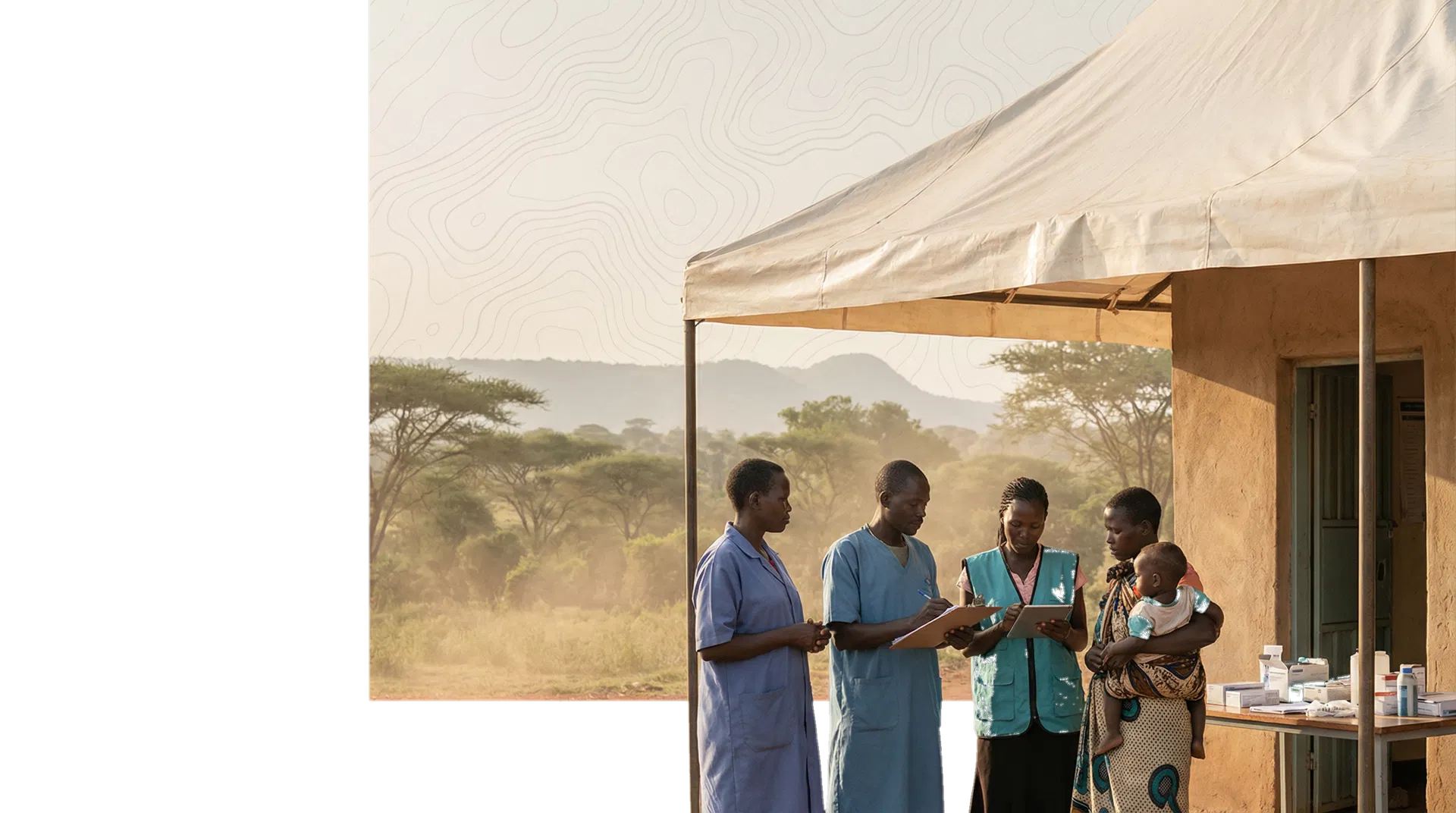
Programs begin with local realities, not distant assumptions. The site language, imagery, and pacing all emphasize grounded action close to communities.
A field-informed health platform for humanitarian settings
AIDHealth is presented as a humanitarian health organization focused on strengthening care access, operational learning, and collaborative delivery in fragile and underserved environments. The website combines field realism, research credibility, and partnership readiness in one cohesive public-facing platform.
01
Programs begin with local realities, not distant assumptions. The site language, imagery, and pacing all emphasize grounded action close to communities.
02
AIDHealth is presented as a disciplined organization that values monitoring, learning, and implementation intelligence alongside direct support.
03
The experience is structured to welcome collaborators from research, government, philanthropy, and frontline delivery into one coherent narrative.
Mission and orientation
To advance equitable health support in humanitarian and underserved settings through responsive delivery, practical evidence, and partnerships that strengthen local capacity.
A future in which health support in crisis-affected communities is coordinated, accountable, community-trusted, and capable of leaving stronger systems behind.
Program architecture
This structure makes the organization legible to funders, technical collaborators, and communities alike. It positions humanitarian health as a continuum that includes service delivery, evidence generation, systems improvement, and durable partnerships.
Supporting essential health services in fragile, crisis-affected, and underserved settings through adaptable field operations and community-centered care models.
Translating field realities into usable evidence, operational insights, and implementation strategies that improve decision-making across humanitarian contexts.
Working with institutions, practitioners, and communities to strengthen continuity of care, referral pathways, workforce capacity, and resilient local systems.
Convening donors, public institutions, humanitarian actors, and technical partners around practical solutions that can scale responsibly and ethically.
Operational focus
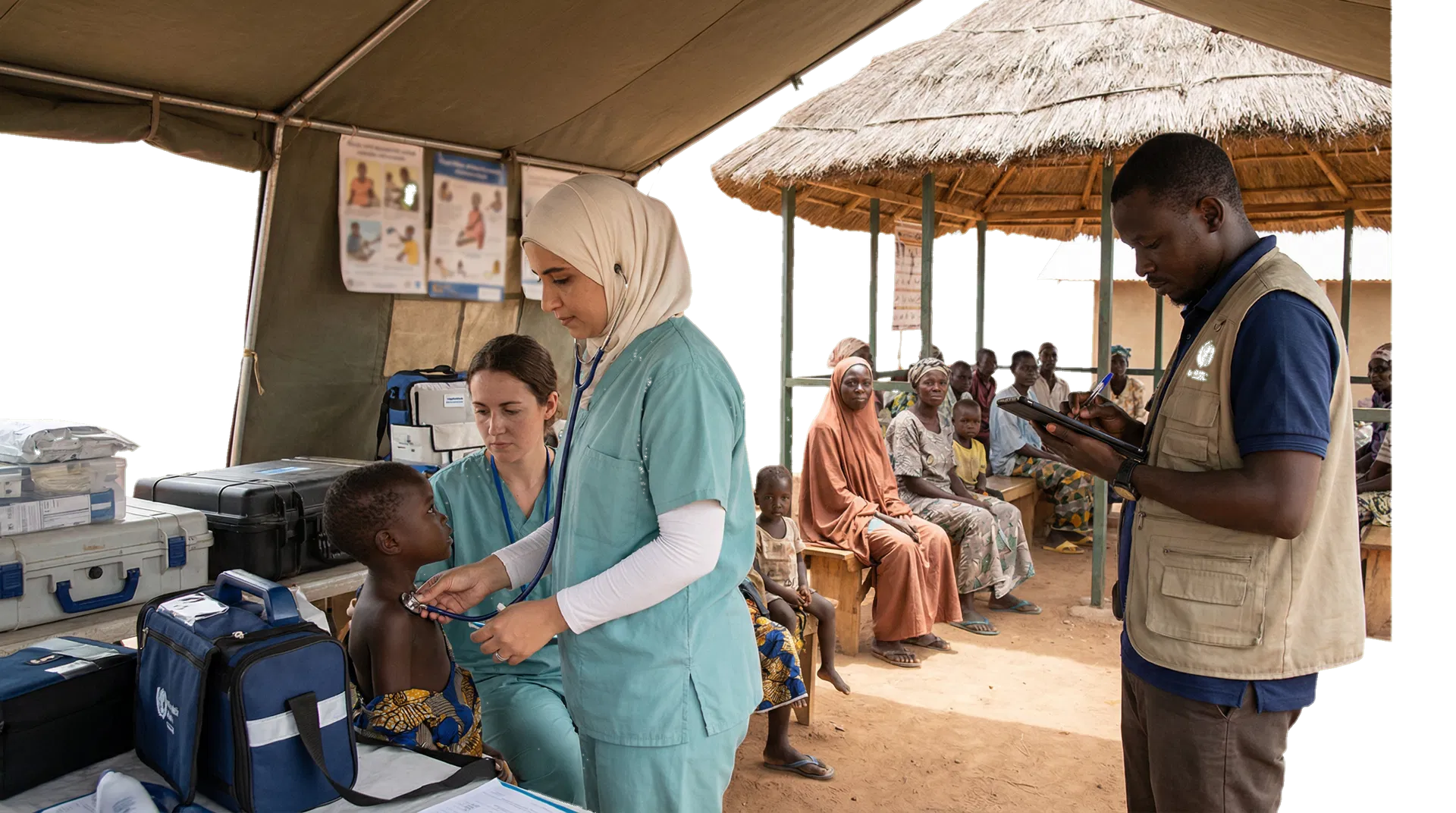
Mobile service models, continuity planning, and local coordination are presented as mutually reinforcing aspects of humanitarian health support.
Focus areas
Primary and community health access
Maternal, newborn, and child health support
Outbreak readiness and continuity planning
Health workforce capacity and supervision
Implementation science and operational learning
Partnership design, coordination, and stewardship

Research and evidence
The website positions AIDHealth as a practical learning organization: one that can support implementation studies, field documentation, adaptive program design, and communication that helps partners understand what is working, where, and why.
Capture field insights, implementation constraints, and service patterns that can improve delivery quality and strategic planning.
Support collaborations with academic, technical, and implementation partners seeking stronger humanitarian health evidence.
Translate findings into accessible narratives for funders, communities, and policy audiences without losing context or nuance.
Partnership ecology
Collaborate on policy alignment, systems strengthening, and coordinated humanitarian response planning.
Co-develop studies, field learning agendas, evidence synthesis, and ethical implementation frameworks.
Back delivery models that combine immediate humanitarian support with durable health system value.
Ground interventions in local legitimacy, lived experience, and sustainable care pathways.
Why this matters
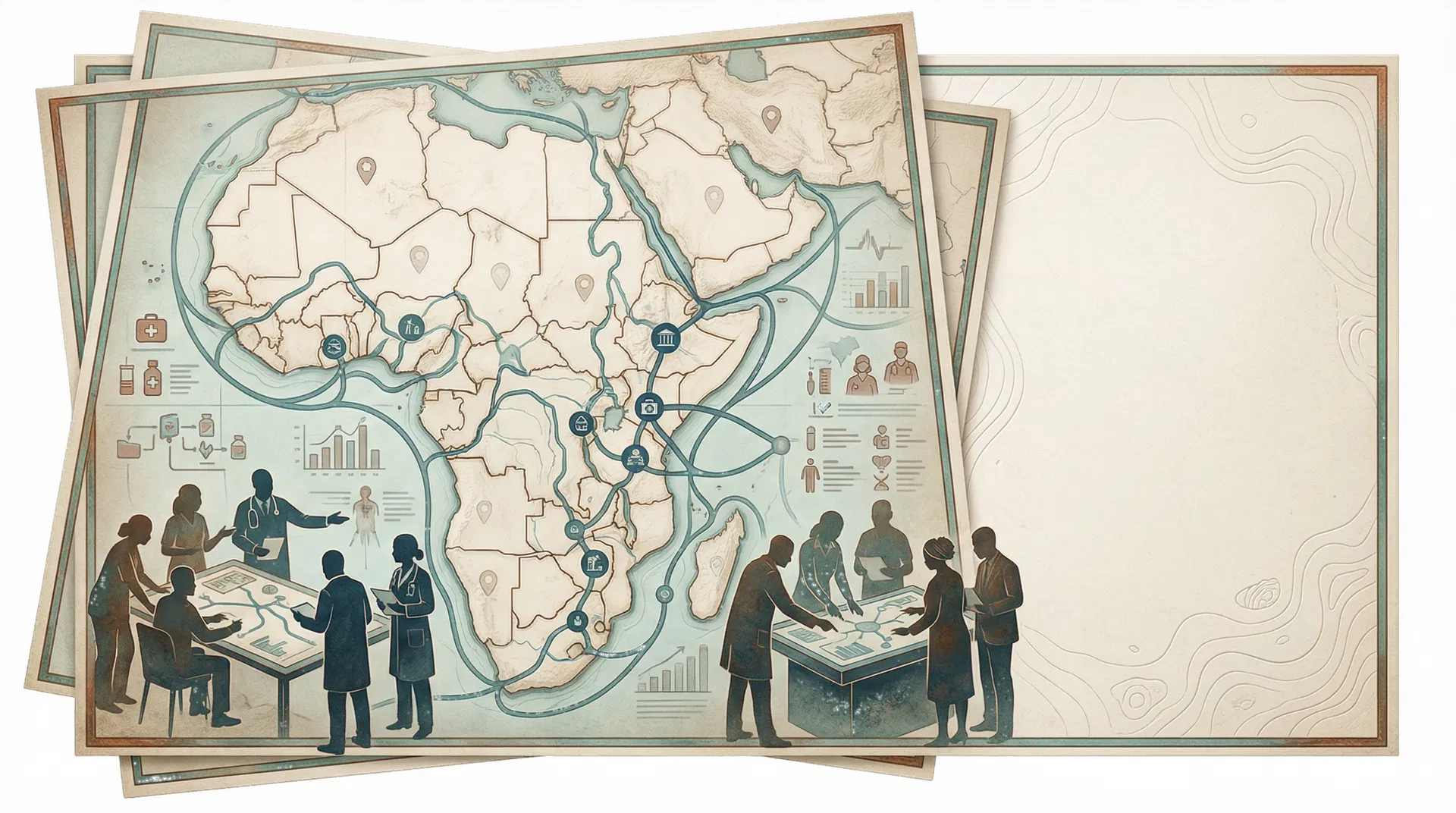
The public story of AIDHealth is designed to support real conversations: coordination with institutions, collaboration with researchers, and investment from partners who want health support to be both humane and strategically sound.
Next step
The site is designed to support future refinement of factual details, leadership information, program updates, and contact channels. It can now serve as a polished public presence for presentations, donor outreach, institutional introductions, and domain publishing.
Published domain target
www.aid-health.orgAttach this experience to the purchased domain after publishing, then refine organization-specific facts such as contact details, team biographies, and confirmed program metrics.